“Here Lies” ~ just 133 words, this prose poem is elegiac and strange, funny and sad. Set in a cemetery after the death of the author’s mother, it captures the absurd and bereft feeling of grief and mourning. - Kathleen Rooney
Shalom Cemetery in the valley of the shadow, you in your soaking Doc Martens. Rabbi Katz says your mother had good taste. In rabbis? Howling headstones mushroom and you can’t hear the rest. Scent of decaying leaves. She despised the Midwest winter. Wind WHOOSH sends wads of Kleenex, spiraling skyward. She’ll be buried right here. You swear-to-God she would hate her own eulogy. God too. One by one, they toss dirt on her casket. Velvet skullcaps on their heads, their tarnished Stars of David hover. Your mother’s voice rises. If you want something done, you do it yourself. Your mother’s voice rises. Forgive me for bailing. You wander unmarked graves: no names or dates. Glow worms burrow in clay muck, you can’t know the grief of ghosts. Where they hide their white teeth.
“My Unborn Child Lives in a Halfway House” ~ just 109 words long, this prose poem is weird and urgent, using vivid imagery, figurative language, and repetition to evoke a dreamlike state that feels both real and unreal simultaneously as a kind of pre-ghost haunts the speaker. - Kathleen Rooney
Her hair is blue and her eyes are moons. “You’re too beautiful,” I say, “to live in only half a house,” and she leaps into my car, thumps her palms on the dashboard, and cries, “Hurry!” We hurry to the cottage she made from playdough. She touches the drowsy gray sofa, the Formica table, the tea kettle with the chipped smile. She circles again, touches each dusty memory again, and I worry. What will you eat?” Her refrigerator smells of dead mice. My birth year is stamped on the milk carton. My unborn child sloshes milk into the cup of her hand. “It’s good,” she says. “It’s still good.”
Bronze: Judy Friedman
“Jigsaw” ~ deceptively simple, this 260-word prose poem shows the way that even every day tools and objects can seem strange and full of life in the eyes of a child. - Kathleen Rooney
When I grew tall enough, I met the jigsaw, the smallest machine on the block of my father’s basement workshop cave. With its narrow frame and unfinished wooden legs, the jigsaw was the runt alongside a muscular circular saw; a looming, lateral, lavish lathe; and a workhorse workbench with a pegboard wall of awls and screwdrivers, honeycomb boxes of nuts and bolts, bolted vices, pliers, paintbrushes, slide rules and tools that ruled the wooden world my father made.
And now he was willing to share a piece of it with me. Eager to get to know the rig, I noticed first its beaming jagged teeth that seemed to smile at its secret power: the ability to chew through layers of grain. Up, down, up, down so fast, it formed a fuzzy blur. I had watched its singular singing blade blaze a single line through the hardest hopes. And now I was ready to cut my own teeth on the edges of creation and imagination.
The flip of a fickle switch toggled my being from off to on and into a focused state of elation. My father taught me the jigsaw’s jam of rounding curves and defining details, cutting pretty ruts and rows, rivulets of dreams that were my own design, feeding into rivers of dust drifting down and piling up, lending to my growing up. I made my little hands look big with my fingers splayed and my elbows wide, pushing hard on the slippery plate that fed a simple scrap of wood into the teeth that turned it beautiful.


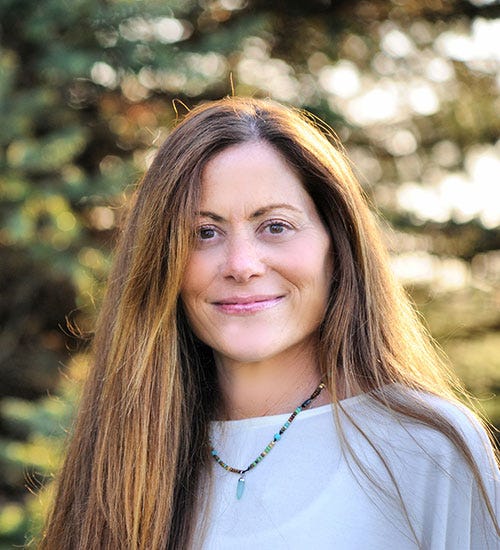
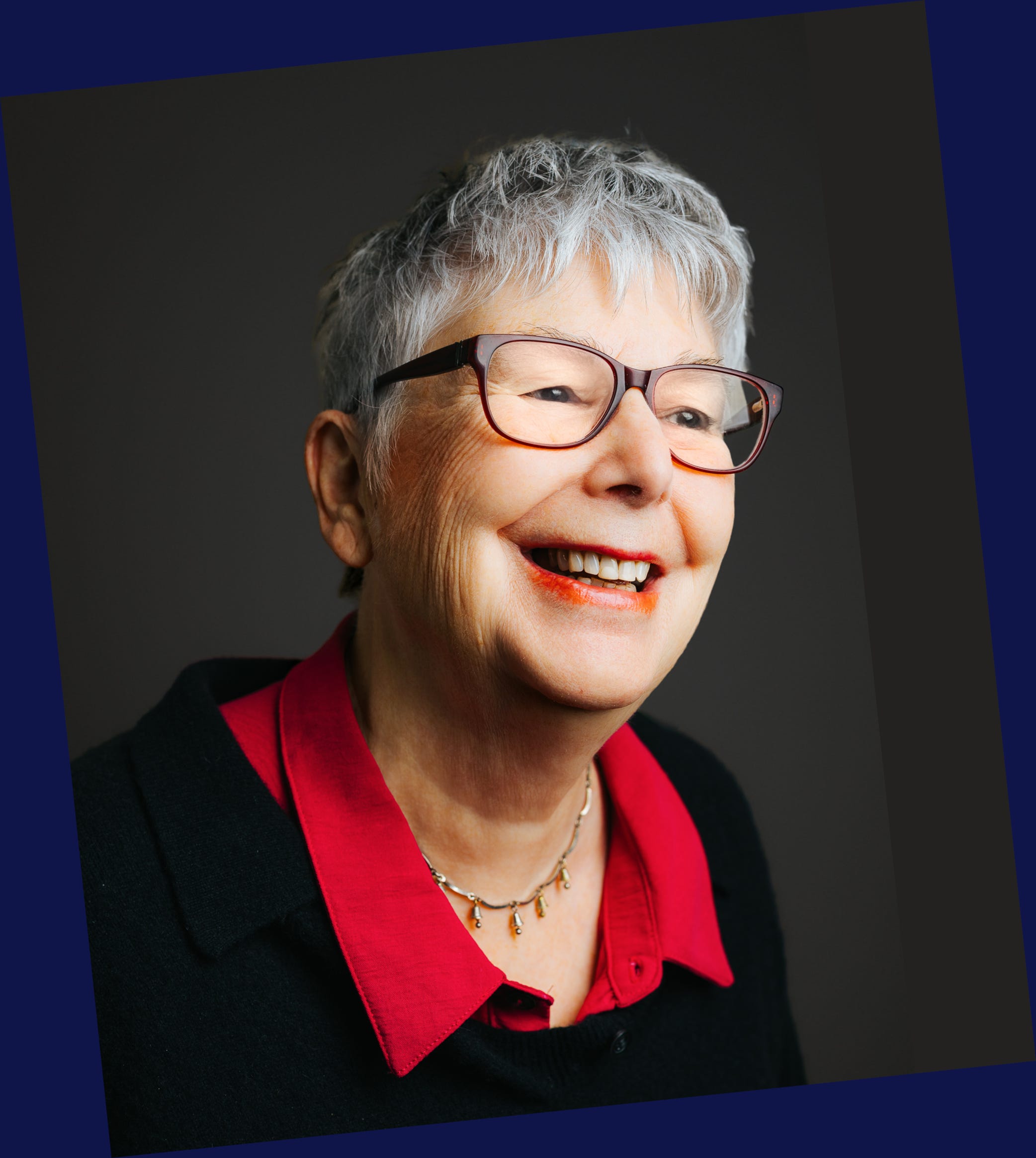
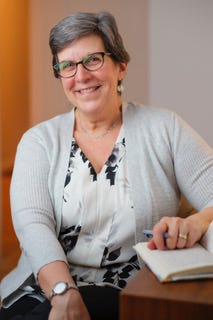
Congrats Roseanne, Jackie and Judy! Tight prose with a wide reach of emotions.
Original and short!