

Writing Critique Groups Offer Mutual Support
Imagine a room where you can bring your unpolished stones to a group gathered to help you turn them into sparkling gems.


Writing Critique Groups Offer Mutual Support
What I Learned | Professional Practices
DAVID PELZER
Birth of a Critique Group
This is not a society of alchemists. It’s the OCWW-6.
Our critique group of six writers was formed in 2022 by the editorial team for Meaningful Conflicts. After our work for the anthology was completed, we decided to maintain the group to review new work as well.
Our original members thought of calling ourselves “The Fab Five.” When the OCWW editorial team asked us to take on a sixth member, we changed the name. OCWW-6 might not sound as sexy, but the moniker is simple and accurate.
Our Critique Group Structure
We conduct monthly 90-minute sessions on Zoom, allowing the participation of writers who reside outside Chicagoland or have out-of-town travel commitments.
One week in advance of the workshop, three of our writers submit a narrative piece — fiction or nonfiction, three to ten pages in length—for group review.
We start our workshops with a quick sharing of news about our own writing or the larger world of literature, including local workshops and presentations we have attended.
Next, we address the manuscripts. The author supplies pertinent background as needed. The writer can also pose specific questions, such as whether the storyline is clear or whether certain techniques (e.g., POV, summary versus scene, magic realism) are working. While the writer stays silent, the reviewers each take five minutes to offer their comments. We always start and end our comments on a positive note by identifying what we like about each piece. We also offer suggestions on how the piece might be clarified or otherwise strengthened. At the end of each review, the author can make closing comments.
In addition to verbal feedback, reviewers supply written feedback within several days following the session.
The Critique Group Process
Underlying this process is a groundwork of respect for each author and their work, understanding that our submissions to the group will arrive in various stages of development. Our first task as reviewers is to gain an understanding of the writer’s intentions and goals. We then offer ongoing support as each author journeys from inception to completion. It’s especially heartening to experience moments when reviewers find connections and “deeper truths” in a draft that the author had set in motion but was not fully aware of!
Here are some salient points we have learned about how to maintain our group:
It’s essential to establish guidelines for how drafts are submitted and reviewed, understanding that there will be challenges that require some tough decisions (Examples: how to handle a “late” or overly lengthy submission; how to give “equal time” to each manuscript during the Zoom session).
A coordinator is needed to schedule meetings, help discussions “stay on point” and keep meetings “on time.”
It’s often valuable to hear the author verbalize their intentions, goals, and challenges related to their piece before the review begins.
Most importantly, the workshop must maintain a supportive environment where writers submit work, regardless of its stage of development. Every piece has value and should be honored for that. Our primary purpose here is not to act as editors, but as an encouraging sounding board to help the writers identify and reach their goals. In this way, the group itself has emerged from a pile of rocks to a single, shining gem.
Here are more insights from other members of the OCWW-6 critique Group:
Irma Olmedo: We have developed a good relationship and have continued our work together. My colleagues are all good writers who are serious about their writing.
Margot McMahon: Our group has built a trusting relationship to share first and early drafts. Meeting once a month allows time to prep and process the varied comments. I am always surprised by the uniqueness of our interpretations and comments. I learn more about writing by reading and talking about other’s submissions. It’s more fun than a book group!
Polly Hansen: I love the camaraderie. This is the kindest, most empathetic critique group I've ever belonged to. I value and cherish that there is no eviscerating going on. The group has helpful, insightful comments, even on my rough drafts. We are a fun, creative bunch.
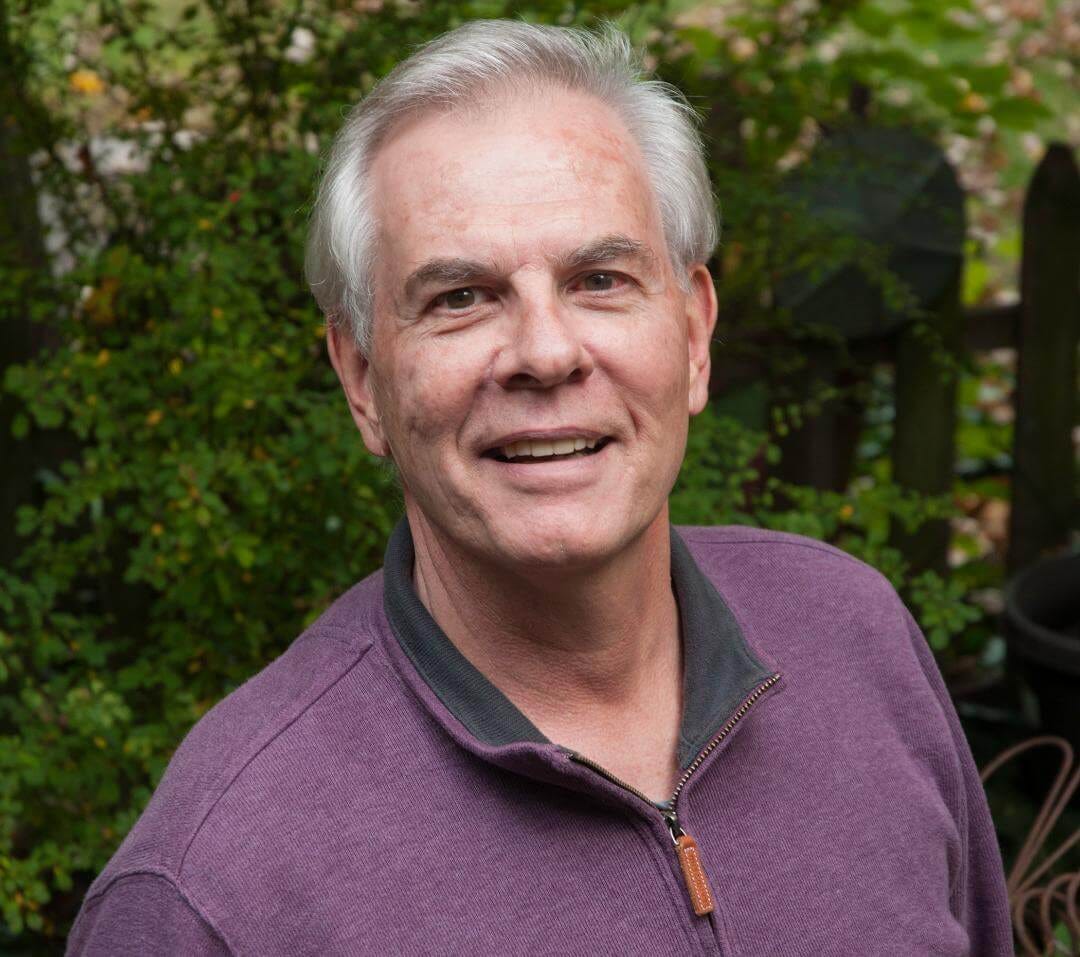
DAVID PELZER is a Highland Park, Illinois-based fiction writer who has contributed to OCWW's Turning Points and Meaningful Conflicts anthologies, He was a finalist in the 2019 Hemingway Shorts competition, and is currently at work on a literary novel, The Blue Guitar.
Thank you for this succinct, insightful view inside an ongoing, supportive critique group.
Through the Chicago Writers Assn I once had a critique group, also an Indiana lakefront set of likeminded writers. It would be my great pleasure to revisit scrivening.